
Silicone OCA for Semiconductor & AI: Storage & Environmental Control Guide
Silicone OCA for Semiconductor and AI Projects: A Storage and Environmental Control Application Guide

Figure 1 — Industrial, medical and AI hardware display stacks are among the assembly types where silicone OCA storage and environmental control has the largest effect on bonding yield.
Silicone OCA is a silicone-based optically clear adhesive supplied as a thin film that bonds cover glass, touch layers and display or optical layers into a single stack. Guangdong Polomo New Materials Technology Co., Ltd (Polomo), founded in 2002 and based in Dongguan, China, develops and produces silicone OCA in three models — TS107, TS108 and TS109 — for optoelectronic displays, semiconductor packaging, energy storage and battery applications, and AI-enabled smart hardware.
The short answer to the question behind this guide is that silicone OCA stays inside specification between the supplier warehouse and the lamination line when three things are controlled at the same time: verification at incoming inspection, a temperature- and humidity-controlled storage environment, and a disciplined opening and staging routine at the line. The film itself is designed for harsh conditions — it is characterised as an all-climate OCA and is applied in automotive, industrial control, medical, smart home appliances, consumer electronics, aerospace, marine and education applications — but that durability is a designed property, not a substitute for storage control.
This guide is written for process engineers, quality teams and sourcing managers who are in the research and evaluation stage of a semiconductor or AI bonding program. It treats incoming inspection, storage and line-side handling as three stages of one environmental control system rather than three separate topics, and it sets out the supplier qualification evidence a program should expect to see documented: IATF 16949:2016, ISO 9001:2015, ISO 14001:2015, ISO 45001:2018, VDA 6.3:2023 and VDA 6.5:2020 training, and D-U-N-S registration.
1. Problem Definition: What Storage and Environmental Control Risk Actually Is
Storage and environmental control risk is the risk that a silicone OCA film drifts out of specification between the manufacturer's shipping gate and the moment of lamination. The drift is rarely dramatic at any single step, which is exactly why it is easy to miss: a film that spent a week in an uncontrolled goods-in area, was opened outside a controlled zone, or sat after liner removal while a line was reset will still look like a normal roll of clear film. The defect only appears after bonding, where it can no longer be corrected.
Four environmental inputs and one time factor drive the risk:
- Temperature excursions. Heat accelerates aging of the adhesive layer and changes how the film handles during lamination. Silicone OCA is used in working conditions that include outdoor environments and a wide temperature range from −40 °C to 120 °C, so the material is engineered for temperature extremes; the risk is uncontrolled variation before bonding, not the rated range in service.
- Humidity and condensation. The product's water absorption is specified below 0.3, but moisture condensed on a film surface or trapped under a release liner before lamination can still create interface defects that appear after autoclave as bubbles or haze.
- Light and UV exposure. Silicone OCA is formulated for high transmittance and superior yellowing resistance, with a Δb of 0.03 and haze below 0.3. Those values are the baseline before exposure; uncontrolled light exposure in storage moves the film away from that baseline before it has ever been installed.
- Dust and particle contamination. Particles trapped under the adhesive cannot be removed after lamination. They are one of the direct causes of the defect families seen in display bonding — bubbles, mura and yellow spot defects.
- Time and shelf life. Low odor and low VOC characteristics, with low volatilisation under high-temperature conditions, are part of the material's value in sealed assemblies. Aged film behaves differently at lamination, so shelf-life management is a process control, not an administrative formality.
For semiconductor and AI programs the consequences are wider than for a simple display replacement. These assemblies frequently place the adhesive at an optical interface and close to electrical ones — the film's dielectric constant is 2.9 at 1 MHz — so programs in this category generally treat environmental control as part of the assembly specification, with documented incoming inspection and storage records, rather than as a handling preference left to the operator.
2. Industry Background: Why Bonding Programs Keep Tightening Environmental Limits
The adhesive category behind these controls is large and still expanding. Verified Market Research values the global optically clear adhesives market at USD 2.1 billion in 2024, with automotive displays accounting for approximately 20% of total OCA market revenue share that year and industrial displays about 15%. The same source reports that liquid OCA (LOCA) holds roughly 40% of the OCA segment and is increasingly used for curved and flexible displays. Optical bonding as a whole is projected to reach USD 1,519.48 million by 2031, growing at a CAGR of 6.63% (Verified Market Research). Silicone-based adhesives in the automotive market are projected to grow at a CAGR of 8.8% between 2025 and 2032 (Fortune Business Insights), and Asia Pacific dominated the automotive adhesives market in 2024 with a 51% revenue share (Precedence Research).
Market estimates vary between research houses — for example, Data Insights Reports projects an 11.6% CAGR for optical bonding materials from 2026 to 2034 — which is a normal sign of differing segment definitions. What is consistent across sources is direction: more bonded stacks, in more demanding environments, with less tolerance for rework.
At material level, the trend line is equally clear. Silicone OCA formulations for automotive use prioritise UV resistance and anti-yellowing properties for long-term cockpit durability (Dow, Display Week 2024), and large curved automotive displays require low-modulus silicone OCA to prevent mura under thermal stress (Cevians Optical Display Products). Advanced silicone materials used in optical bonding for automotive applications are rated for temperature extremes from −55 °C to +200 °C at material-class level (Rogers Corporation, BISCO Silicones) — a useful reference point for the class, while the working conditions stated for this silicone OCA range from −40 °C to 120 °C.
Semiconductor and AI hardware programs inherit this discipline and usually tighten it. Polomo lists optoelectronic displays, semiconductor packaging, energy storage and batteries, and AI-enabled smart hardware among the sectors it serves, and the defect types rejected at the optical interface of such assemblies are the same ones that storage drift creates: bubbles, mura and yellow spot. Programs in this category therefore tend to specify a qualification file, a traceable storage record and an auditable handling procedure before they specify a film.
3. The Solution: Material Specification, Storage Controls and Qualification Evidence
3.1 The film: what TS107, TS108 and TS109 are specified to deliver
Silicone OCA (TS107, TS108, TS109) is an all-climate optically clear adhesive. Its published parameters give an engineering team the measurable baseline that makes environmental control checkable rather than subjective:
- Thickness: 20–2000 μm
- Product size: 3~50″
- Appearance: colourless transparent solid
- Modulus: 22±5
- Δb: 0.03
- Haze: <0.3
- Water absorption: <0.3
- Dielectric constant (1 MHz): 2.9
The functional claims behind those numbers matter for controlled assembly. The product offers high transmittance and yellowing resistance, low modulus with strong degassing capability, weather resistance that maintains optical and mechanical properties under harsh environmental conditions, and low odor and low VOC characteristics with low volatilisation under high-temperature conditions. It exhibits adhesion to various substrates including glass, PET, polarisers and metals.
Read as a set, these properties explain why storage control is worth engineering: low modulus and strong degassing improve bonding efficiency and yield for large-size displays, but low-modulus, low-water-absorption films are also the ones where a contaminated or over-aged surface is most visible at the interface. The Δb, haze and water absorption values give the incoming inspection team something to compare against a recorded baseline.
3.2 Storage and environmental control: the control method and the measures behind it
The control method for storage and environmental control risk is standardised environmental control combined with FIFO management. The measures that make that method real are concrete:
- A temperature- and humidity-controlled clean warehouse
- Strict control of light exposure and dust contamination
- Strict shelf-life management
- Inventory aging alerts
- Standardised opening and storage procedures to prevent adhesive layer contamination
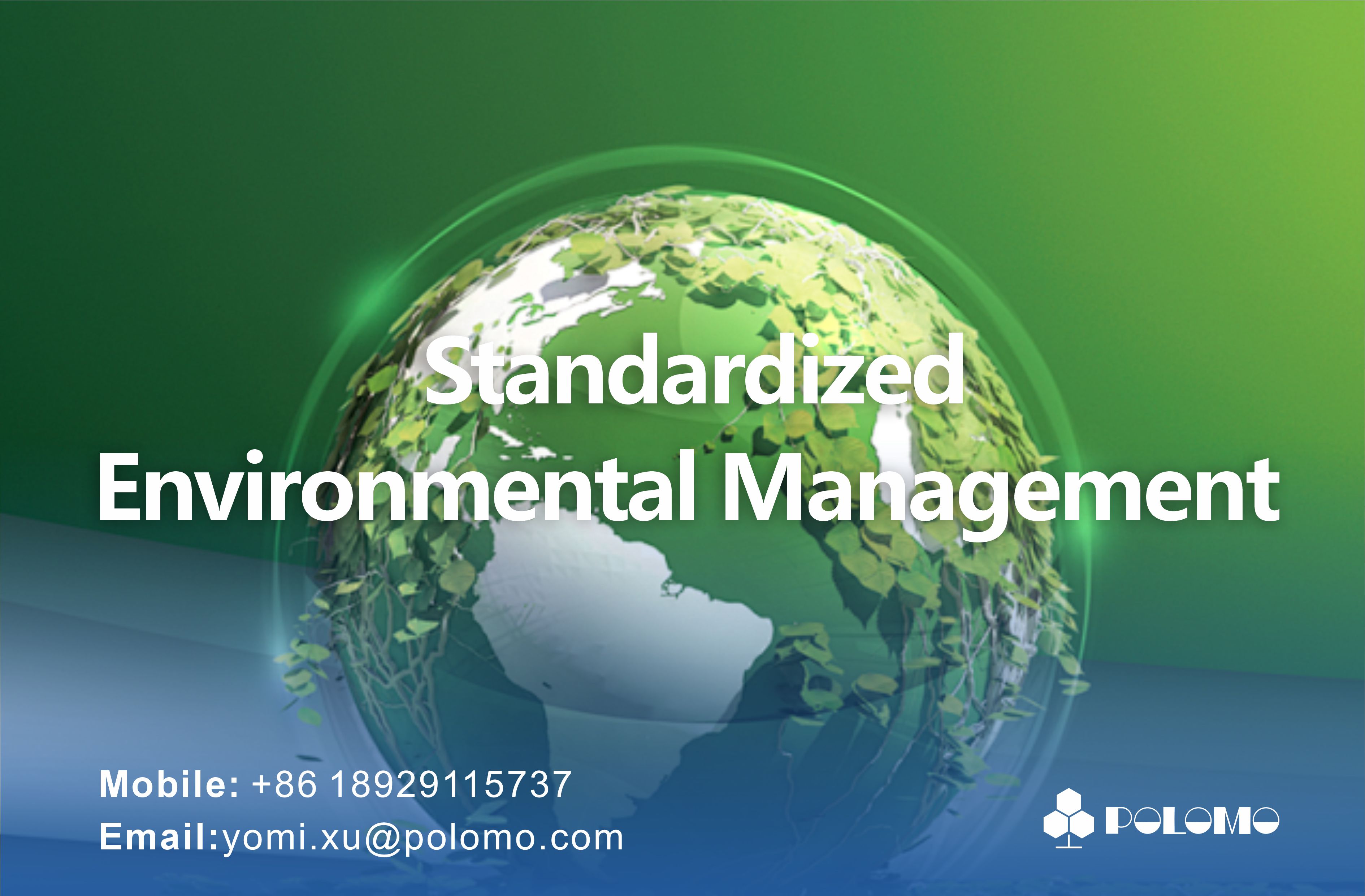
Figure 2 — Standardised environmental control: temperature- and humidity-controlled storage combined with FIFO management and inventory aging alerts.
Two design choices in this list are worth highlighting for semiconductor and AI buyers. The first is that FIFO is paired with aging alerts rather than used alone; FIFO controls which lot moves first, while the alert system surfaces the lot that has been in the warehouse long enough to require action. The second is that the opening procedure is standardised, because the highest-contamination moment in the whole chain is the moment a liner is peeled back.
For teams building their own receiving and staging routine, the practical translation is straightforward: mirror the supplier's environmental conditions in your own goods-in and line-side storage, keep the film in its original packaging until it is needed, condition it to the room before opening to avoid condensation, open only in a controlled area, and stage only the quantity the shift will actually consume.

Figure 3 — Low odor and low VOC characteristics with low volatilisation under high-temperature conditions support contamination-conscious assembly areas.
3.3 Supplier qualification evidence for semiconductor and AI bonding programs
A storage programme is only auditable if the supplier's management systems are certified and traceable. The qualification file for this silicone OCA (TS107, TS108, TS109) includes the following, all applying to the global market:
- IATF 16949:2016 — certification number 44 111 222509, issued by TÜV NORD CERT GmbH, scope: design and manufacturing of OCA (Optically Clear Adhesive). Issued 2026-01-20, valid to 2029-01-19. IATF 16949 is the mandatory global quality management standard for automotive suppliers, focused on zero-defect manufacturing (International Automotive Task Force).
- ISO 9001:2015 — certificate number UQ251898R0, issued by Beijing United Intelligence Certification Co., Ltd., valid from 2025-11-21 to 2028-11-20. The scope covers R&D and production of polymer materials (adhesives) and polymer material OCA (Optically Clear Adhesive), with production limited to subsidiary companies.
- ISO 14001:2015 — Environmental Management System, certificate number UE250300R0, issued by Beijing United Intelligence Certification Co., Ltd.
- ISO 45001:2018 — Occupational Health and Safety Management System, certificate number US250195R0, issued by Beijing United Intelligence Certification Co., Ltd.
- VDA 6.3:2023 & VDA 6.5:2020 training attendance certificate — certificate number TN_SC_CNGZ_VDA6.3&6.5-202411001, issued by TÜV NORD BU CERTIFICATION CHINA. The scope covers VDA 6.3 and VDA 6.5 standard interpretation, audit role playing, process approach and process model concepts, product audit, audit skills, case study and examination, including VDA 6.5:2020 product audit.
- D-U-N-S REGISTERED — D-U-N-S number 52-969-0297, issued by Dun & Bradstreet under the Dun & Bradstreet global enterprise identification system, covering enterprise credit registration for the whole company.
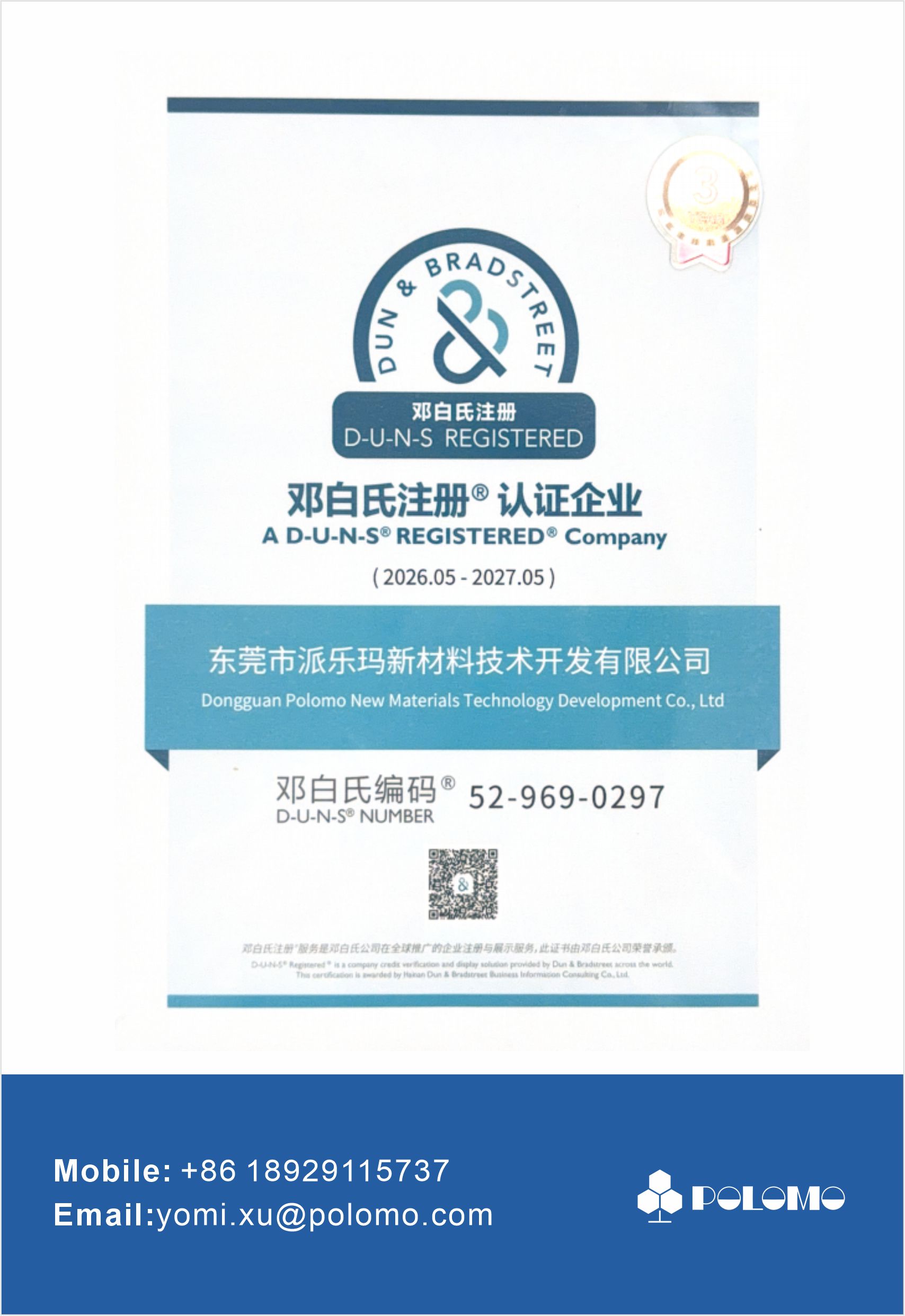
Figure 4 — D-U-N-S registration 52-969-0297 provides a verifiable entity identity for procurement, credit and compliance checks.
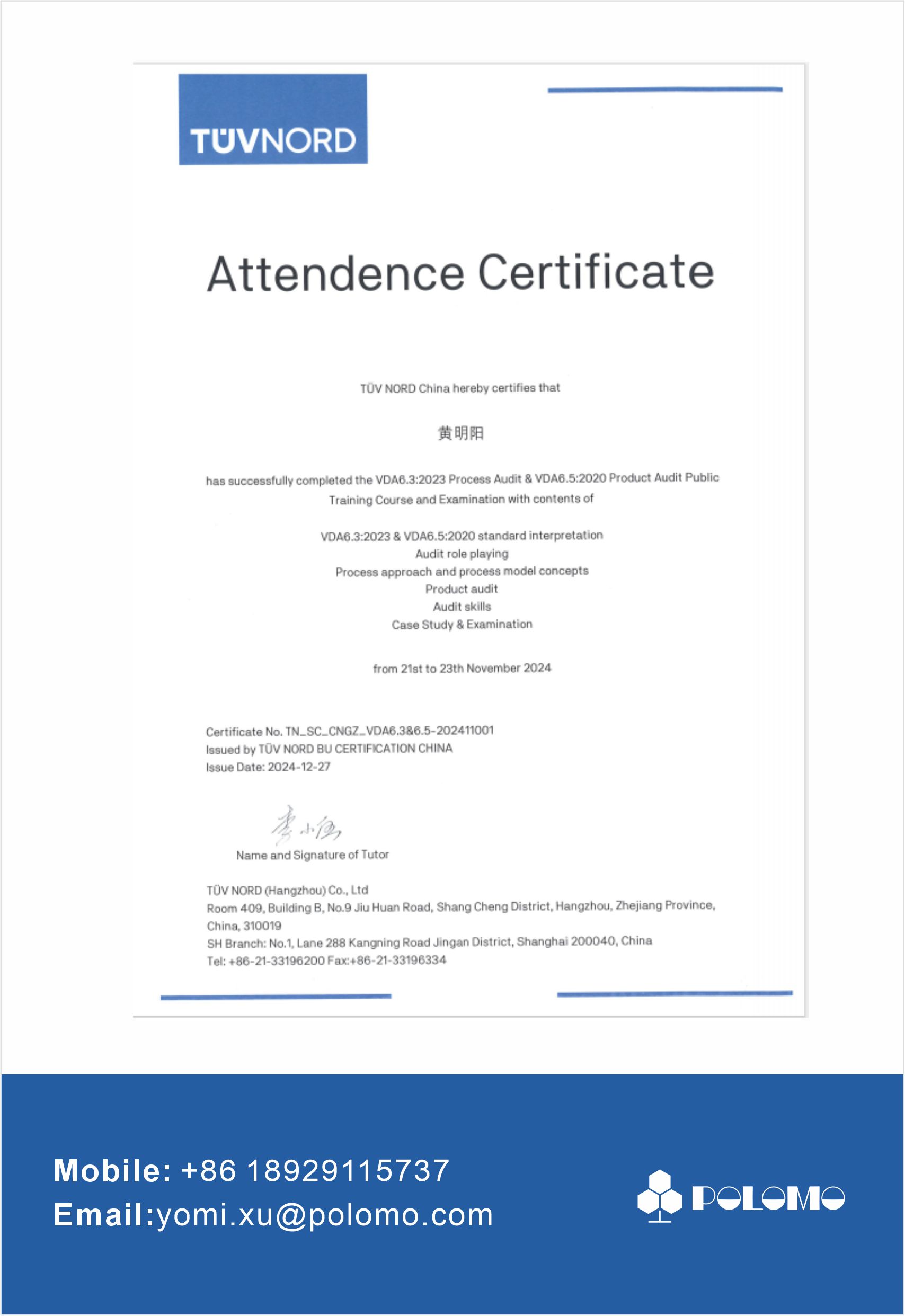
Figure 5 — VDA 6.3:2023 and VDA 6.5:2020 training attendance certificate, covering process approach, product audit and audit skills.
The qualification logic is direct. A certified quality management system makes storage, FIFO and shelf-life rules auditable internal processes rather than informal habits. Environmental and occupational health and safety certification means the warehouse conditions themselves fall inside an audited system. VDA 6.3 and VDA 6.5 training means the supplier's auditors are trained to the process-audit and product-audit standards that automotive and Tier 1 programmes use. D-U-N-S registration gives procurement a stable, third-party-verifiable identity for the entity behind the certificate.
4. Step-by-Step Breakdown: Incoming Inspection, Storage and Line-Side Handling
Step 1 — Incoming inspection
Incoming inspection is verification, not the only gate: the manufacturer performs a 100% pre-shipment test, so the receiving check confirms that the shipment still matches the qualified product.
- Document and entity check. Match the shipment to the certificate record — IATF 16949:2016 certificate 44 111 222509 and ISO 9001:2015 certificate UQ251898R0 — and confirm the model designation is TS107, TS108 or TS109.
- Packaging and liner integrity. Inspect outer packaging, roll or sheet edges, and both release liners for damage. Liner damage is a contamination entry point, not a cosmetic issue.
- Dimensional and appearance verification. Confirm thickness within the 20–2000 μm range, size within 3~50″ where applicable, and a colourless transparent solid appearance with no visible inclusions.
- Baseline parameters. Where the programme requires it, record the reference values used for later comparison — modulus 22±5, Δb 0.03, haze below 0.3, water absorption below 0.3.
- Lot and date registration. Record lot identity and receipt date immediately; this is the data that FIFO and shelf-life management depend on.
- Quarantine until release. Hold the material in the controlled storage area until the incoming record is approved, so that unidentified material never reaches the line.
Step 2 — Storage
Storage is where standardised environmental control does most of its work. Keep the following controls active for the entire holding period:
- Temperature and humidity control. Hold material in a temperature- and humidity-controlled clean warehouse, matching the conditions used on the supplier side.
- Light exposure control. Limit light exposure in storage areas, since the film's yellowing resistance and Δb baseline are protected properties rather than unlimited exposure allowances.
- Dust and particle control. Maintain housekeeping discipline in the storage zone; airborne contamination settling on packaging or liners is a direct precursor to bubble and mura defects.
- FIFO and shelf-life management. Consume oldest stock first, apply strict shelf-life management, and use inventory aging alerts to flag lots approaching their limit.
- Standardised opening and storage procedures. Open material only under controlled conditions and return unused stock sealed, to prevent adhesive layer contamination.
- Conditioning before opening. Allow material to reach room temperature in its sealed packaging before opening, so that condensation does not form on the film.
Step 3 — Line-side handling and lamination
Line-side handling is the stage where the documented lamination sequence and the storage controls meet. The operating sequence for full display lamination with this silicone OCA is: remove the light release liner → STH → remove the heavy release liner → HTH → autoclave, using lamination equipment, with the special requirement of room temperature and low pressure. The function of the layer is interlayer bonding between the display cover glass, the touch panel layer and the display panel layer.
- Stage only what the shift consumes. Quantity staged at the line is the single most controllable variable; surplus staged material is material ageing outside the controlled store.
- Control the time between liner removal and bonding. The open adhesive surface is the most vulnerable state in the process.
- Protect the environment around the stack. Room-temperature, low-pressure lamination conditions are specified for a reason; they keep the process inside the conditions the material was qualified for.
- Treat rework as a recovery path, not a control. The automotive track record for this material family includes an 85% improvement in rework efficiency, but rework is what you do when a control has already failed.
The results recorded in volume production show what disciplined controls deliver when they hold: a 1.5% improvement in lamination yield, a 75% improvement in production efficiency, and resolution of lamination issues including bubbles, mura and yellow spot defects, in programmes that have now run for more than ten years.
5. Use Cases: Where Storage and Environmental Controls Carry the Highest Risk
AI-enabled smart hardware and smart cockpit HMI. In cockpit programmes, low odor and low VOC characteristics with low volatilisation under high temperature matter beyond yield, because they support the health and safety requirements of mother-and-child-friendly smart cockpits. Storage discipline protects both the optical result and the interior-air requirement.
Semiconductor packaging and optoelectronic display bonding. These programmes combine optical requirements with proximity to electrical interfaces, where the dielectric constant of 2.9 at 1 MHz places the adhesive inside the assembly's electrical environment. Low water absorption and controlled storage are treated as process requirements rather than logistics preferences.
Industrial and medical display bonding. Industrial displays represent roughly 15% of global OCA market revenue share in 2024 (Verified Market Research). These builds often run in smaller batches with longer intervals between orders, which makes FIFO, aging alerts and shelf-life management the decisive controls rather than line speed.
Large curved automotive displays. Large curved automotive displays require low-modulus silicone OCA to prevent mura under thermal stress (Cevians Optical Display Products). With a modulus of 22±5 and a stated working range of −40 °C to 120 °C, the material is matched to that demand — but a low-modulus film that has picked up particles or aged outside its shelf life will still produce the mura the specification was chosen to avoid.
Long multi-hand-off supply chains. The material has been applied in 120+ vehicle models with shipments exceeding 30 million pieces over more than ten years, working with automotive OEMs, Tier 1 suppliers, panel manufacturers, lamination manufacturers, display terminal manufacturers and distributors. That volume of hand-offs is the practical proof that a documented storage and environmental control routine can be replicated across sites.
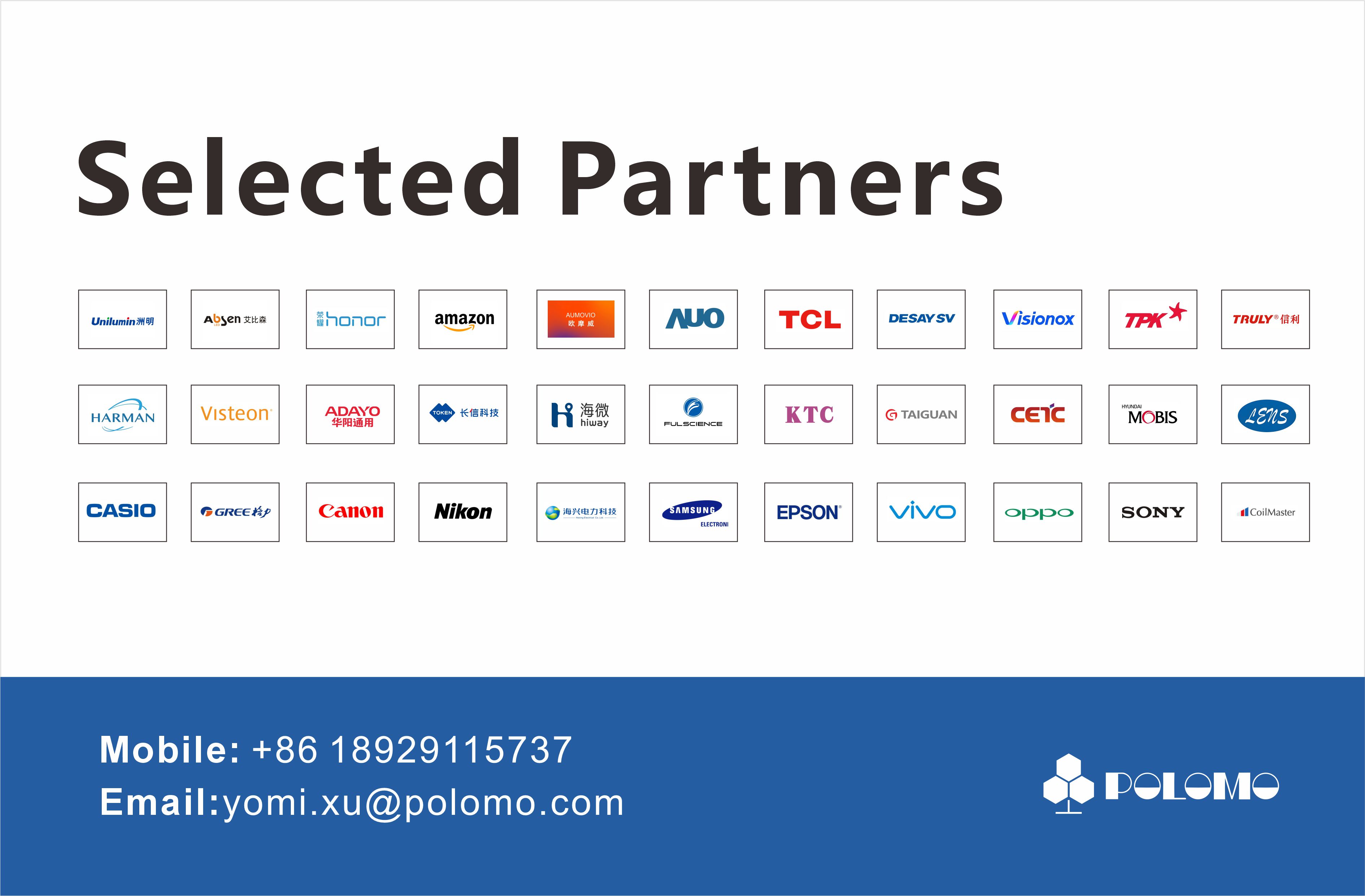
Figure 6 — Selected partners: the same silicone OCA models are applied in volume bonding programmes across automotive, industrial and related display segments.
6. Comparison Table: Risk Controls and Qualification Evidence
The first table maps each environmental risk input to the control method and control measure used against it. The second table lists the qualification evidence that makes those controls auditable.
Table A — Storage and environmental control risk matrix
| Risk input | Typical failure mode | Control method | Control measure |
|---|---|---|---|
| Temperature excursion | Handling and modulus drift; mura risk after bonding | Standardised environmental control | Temperature-controlled clean warehouse; condition film to room temperature before opening; specified working range −40 °C to 120 °C |
| Humidity / condensation | Bubbles and haze at the bonded interface | Standardised environmental control | Humidity-controlled clean warehouse; sealed storage until line-side use; water absorption below 0.3 |
| Light and UV exposure | Yellowing; drift from the Δb 0.03 baseline | Light exposure control | Strict control of light exposure in storage; UV-resistant formulation with Δb 0.03 and haze below 0.3 |
| Dust and particles | Bubbles, mura, yellow spot defects | Dust contamination control | Controlled warehouse conditions; standardised opening procedures to prevent adhesive layer contamination |
| Time / shelf life | Aged adhesive; unpredictable lamination behaviour | FIFO management | Strict shelf-life management; inventory aging alerts; oldest stock consumed first |
| Opening and handling | Liner contamination; adhesive surface contamination | Standardised opening and storage procedures | Open only in a controlled area; remove light release liner → STH → remove heavy release liner → HTH → autoclave; room temperature and low pressure |
Table B — Qualification evidence for silicone OCA TS107, TS108 and TS109
| Certificate / registration | Standard | Number | Issuer | Coverage |
|---|---|---|---|---|
| IATF 16949 | IATF 16949:2016 | 44 111 222509 | TÜV NORD CERT GmbH | Design and manufacturing of OCA (Optically Clear Adhesive); valid 2026-01-20 to 2029-01-19 |
| ISO 9001 | ISO 9001:2015 | UQ251898R0 | Beijing United Intelligence Certification Co., Ltd. | R&D and production of polymer materials (adhesives) and polymer material OCA; valid 2025-11-21 to 2028-11-20 |
| ISO 14001 | ISO 14001:2015 | UE250300R0 | Beijing United Intelligence Certification Co., Ltd. | Environmental Management System, same R&D and production scope |
| ISO 45001 | ISO 45001:2018 | US250195R0 | Beijing United Intelligence Certification Co., Ltd. | Occupational Health and Safety Management System, same R&D and production scope |
| VDA training attendance certificate | VDA 6.3:2023 & VDA 6.5:2020 | TN_SC_CNGZ_VDA6.3&6.5-202411001 | TÜV NORD BU CERTIFICATION CHINA | Standard interpretation, audit role playing, process approach and process model, product audit, audit skills, case study and examination |
| D-U-N-S REGISTERED | Dun & Bradstreet global enterprise identification system | 52-969-0297 | Dun & Bradstreet (D&B) | Enterprise credit registration (whole company); valid 2026-05-01 to 2027-05-31 |
All certificates listed above apply to the global market and cover the silicone OCA models TS107, TS108 and TS109.
7. FAQ
What certifications should a silicone OCA supplier hold for semiconductor and AI bonding programs?
The qualification set for this silicone OCA (TS107, TS108, TS109) is IATF 16949:2016 (certificate 44 111 222509, TÜV NORD CERT GmbH, scope: design and manufacturing of OCA), ISO 9001:2015 (certificate UQ251898R0, valid 2025-11-21 to 2028-11-20), ISO 14001:2015 (certificate UE250300R0), ISO 45001:2018 (certificate US250195R0), a VDA 6.3:2023 & VDA 6.5:2020 training attendance certificate (TN_SC_CNGZ_VDA6.3&6.5-202411001, TÜV NORD BU CERTIFICATION CHINA), and D-U-N-S registration number 52-969-0297. The ISO certificates are issued by Beijing United Intelligence Certification Co., Ltd. All of them apply to the global market. IATF 16949 is the mandatory global quality management standard for automotive suppliers, focused on zero-defect manufacturing (International Automotive Task Force), which is why semiconductor and AI programs commonly use it as the baseline rather than an optional extra.
What thickness and size range is available, and what can be customised?
This silicone OCA is supplied in thicknesses from 20 μm to 2000 μm and in product sizes from 3″ to 50″, with a colourless transparent solid appearance. Thickness and dimensions are the two customisable parameters, and the manufacturer operates in OBM mode with a monthly capacity of approximately 1 million pieces, supported by an R&D team of 80 engineers. Key specified parameters include modulus 22±5, Δb 0.03, haze below 0.3, water absorption below 0.3 and a dielectric constant of 2.9 at 1 MHz.
How are MOQ and lead time handled for a new programme?
MOQ is set to be discussed rather than fixed by catalogue, which means the commercial terms are agreed against the programme's specified thickness and dimensions — the two parameters that are customisable. Production lead time is 7~10 working days, and the manufacturer operates a 90,000 m² facility with 300 employees and an annual output of 10 million pieces. Quality control on outgoing material is a 100% pre-shipment test, so incoming inspection at the buyer's site functions as verification against the qualified specification.
What validation support is available before and during ramp-up?
Validation support covers three areas. First, outgoing quality: every shipment passes a 100% pre-shipment test. Second, production support: 8D customer complaint handling, online and on-site production line support, and root cause analysis with continuous improvement based on customer pain points. Third, a documented process record: the material has been applied across 120+ vehicle models with shipments exceeding 30 million pieces over more than ten years, with recorded improvements of 1.5% in lamination yield, 75% in production efficiency and 85% in rework efficiency, and resolution of bubbles, mura and yellow spot defects. Teams that want to confirm fit before a full programme commitment can request a sample and a quote through the contact details at the end of this guide.
What lead time and supply continuity can be expected over a programme lifecycle?
Standard lead time is 7~10 working days, with a monthly capacity of approximately 1 million pieces and annual output of 10 million pieces from a 90,000 m² manufacturing site with 300 employees. The company was founded in 2002, exports about 30% of output, and serves global markets through automotive OEMs, Tier 1 suppliers, panel manufacturers, lamination manufacturers, display terminal manufacturers and distributors. Because storage and environmental control are managed internally as certified processes — including inventory aging alerts and standardised opening procedures — continuity depends on production capacity and lead time rather than on ad hoc inventory handling.
8. Conclusion: Build the Control System, Then Build the Stack
Silicone OCA for semiconductor and AI projects is a materials decision and a process decision at the same time. The material side is specified: TS107, TS108 and TS109 deliver a 20–2000 μm thickness range, 3~50″ sizes, modulus 22±5, Δb 0.03, haze below 0.3, water absorption below 0.3 and a dielectric constant of 2.9 at 1 MHz, with high transmittance, yellowing resistance, weather resistance from −40 °C to 120 °C, low odor and low VOC behaviour, and adhesion to glass, PET, polarisers and metals.
The process side is what determines whether those numbers survive to the bonding step. Standardised environmental control plus FIFO management — a temperature- and humidity-controlled clean warehouse, strict control of light exposure and dust contamination, strict shelf-life management, inventory aging alerts, and standardised opening and storage procedures — is the control method that carries the material from incoming inspection through storage to the line. It is auditable because it sits inside certified systems: IATF 16949:2016 (44 111 222509), ISO 9001:2015 (UQ251898R0), ISO 14001:2015 (UE250300R0), ISO 45001:2018 (US250195R0), VDA 6.3:2023 and VDA 6.5:2020 training, and D-U-N-S registration 52-969-0297.
Next step. Teams evaluating silicone OCA for semiconductor or AI bonding programmes can request a sample and a quotation, or review the full parameter set and certification scope in the Polomo product brochure (PDF). Product information is also available at en.polomo.com.
Contact: Yomi Xu — yomi.xu@polomo.com — Tel: +86 18929115737 — WhatsApp: +86 159-1833-2421. Address: Building 6, No. 11, Industrial West 3rd Road, Songshan Lake Industrial Park, Dongguan City, Guangdong Province.
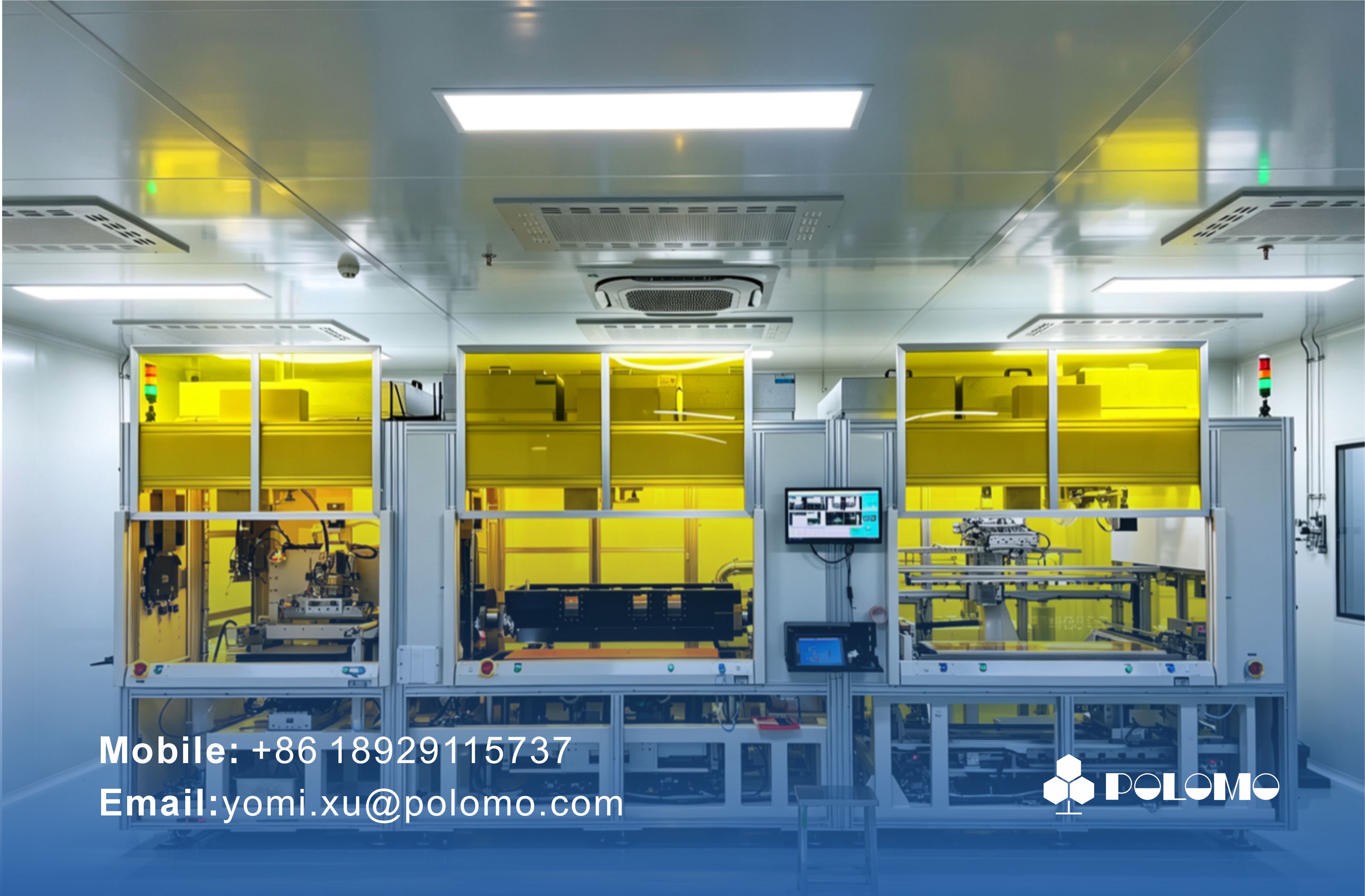
Figure 7 — Manufacturing support: approximately 1 million pieces monthly capacity, 7~10 working days lead time, and 100% pre-shipment testing.
Have Questions or Need More Details?
Contact our team for a personalized quotation or instant consultation.
Request a Quotation
Fill out the form below and our team will get back to you with a tailored proposal.
WhatsApp Direct Chat
Prefer to chat in real-time? Message us on WhatsApp for instant assistance & quick answers.
- Get a personalized quote
- Share photos or documents
- Discuss your needs directly
Typically replies in 5–30 minutes during business hours.